
8 Benefits of Graywater Recycling for Central Texas Homeowners
Home » 8 Benefits of Graywater Recycling for Central Texas Homeowners
Water is one of the most valuable resources in Central Texas. With hot summers, periodic drought conditions, watering restrictions and growing pressure on municipal water supplies, homeowners throughout Marble Falls and the surrounding Hill Country are looking for smarter ways to manage their water use.
Graywater recycling offers a practical solution. By collecting and reusing lightly used water from certain household fixtures and appliances, homeowners can reduce their reliance on treated drinking water, lower monthly utility costs and keep portions of their landscaping healthier during dry periods.
When properly designed and installed, a residential graywater recycling system can turn water that would otherwise enter a septic or sewer system into a dependable resource for approved nonpotable uses.
What Is Graywater?
Graywater is wastewater generated by everyday household activities that does not contain toilet waste. Common sources may include:
- Showers
- Bathtubs
- Bathroom sinks
- Clothes-washing machines
- Laundry sinks
Graywater is different from blackwater, which includes wastewater from toilets and other sources that may contain higher concentrations of pathogens, grease or food waste.
Under Texas regulations, graywater and other alternative onsite water generated at a private residence may be reused for approved purposes such as landscaping, gardening, composting, foundation stabilization and toilet or urinal flushing. The appropriate treatment, storage and distribution requirements depend on the source of the water and its intended use.
1. Reduce Household Water Consumption
One of the biggest benefits of graywater recycling is that it allows a household to use the same water more than once.
Without a recycling system, water used for showering or washing clothes typically flows directly into a sewer or onsite wastewater system. A graywater system redirects eligible water so it can serve another useful purpose, such as irrigating ornamental landscaping.
This reduces the need to use potable municipal or well water for tasks that do not require drinking-quality water. Texas A&M research has estimated that graywater can represent a substantial portion of household wastewater and may provide thousands of gallons of reusable water each year, depending on household size and water-use habits.
For Central Texas homeowners, even a relatively simple system can help make everyday water use more efficient.
2. Lower Monthly Water Bills
Municipal water customers are generally charged based on the amount of water they consume. During the summer, outdoor irrigation can cause household water use—and water bills—to climb significantly.
Reusing water from showers, baths or laundry can reduce the amount of fresh water needed to support landscaping. The exact savings will vary based on factors such as:
- The number of people in the home
- The amount of laundry completed each week
- The size and type of landscaping
- Local water rates
- The design and capacity of the graywater system
- Seasonal rainfall and irrigation needs
Homeowners with larger families or consistently irrigated landscapes may see some of the greatest long-term benefits.
A graywater system should not be viewed as a source of unlimited free irrigation. However, it can reduce the amount of treated drinking water purchased for approved outdoor uses and provide more predictable control over household water costs.
3. Improve Drought Resilience
Drought is a recurring concern throughout Marble Falls, Burnet County and the Texas Hill Country. During prolonged dry periods, communities may impose restrictions on landscape watering, while plants and soil remain exposed to intense heat.
Graywater recycling creates an onsite water source that is generated as household members complete normal daily activities. Every shower or load of laundry may produce water that can potentially be redirected for beneficial reuse.
This can help homeowners provide supplemental moisture to selected plants even when rainfall is scarce. Graywater is especially useful when paired with:
- Native and drought-tolerant plants
- Mulched planting beds
- Subsurface distribution
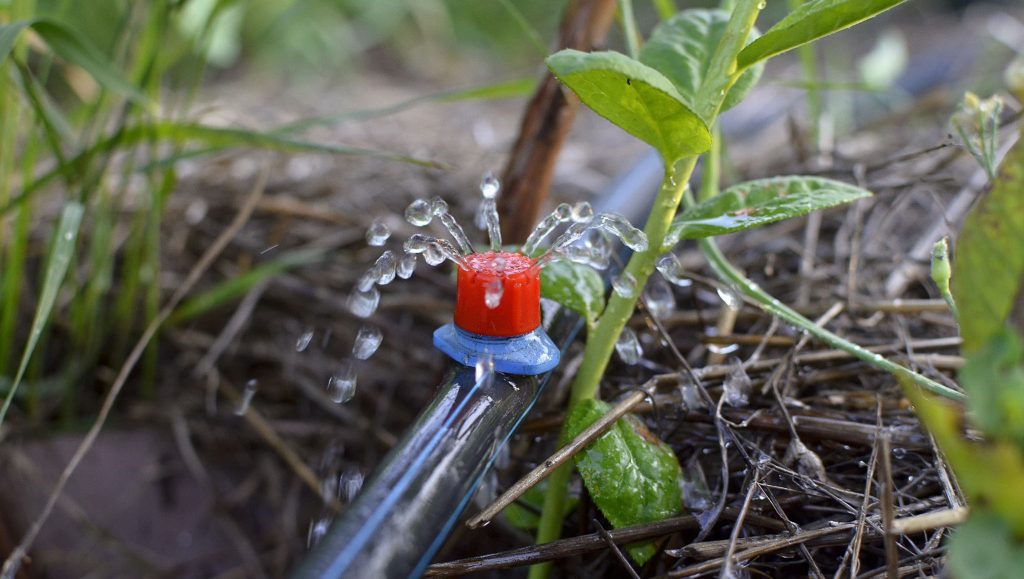
- Drip-style irrigation zones
- Water-efficient landscaping
- Proper soil preparation
Graywater will not eliminate the effects of a severe drought, but it can make a property less dependent on municipal water for landscape maintenance.
4. Protect Landscaping During Dry Spells
Landscaping is a significant investment. Trees, shrubs and established planting beds can be expensive and difficult to replace after drought damage.
A properly designed graywater system can deliver supplemental water directly to appropriate landscape areas. Subsurface distribution can place water near plant roots, where it can be absorbed with less loss to wind and evaporation than some forms of surface watering.
Graywater may be particularly useful for:
- Ornamental trees
- Shrubs
- Flower beds
- Privacy plantings
- Windbreaks
- Other approved landscape areas
The water should be distributed evenly and at rates the soil can absorb. Saturated soil, standing water, runoff and pooling should always be avoided.
Homeowners should also choose laundry detergents, soaps and cleaning products carefully. Products containing excessive salts, boron, chlorine or other plant-damaging ingredients may accumulate in the soil or negatively affect sensitive plants.
5. Reduce Demand on Municipal Water Supplies
Every gallon of graywater reused onsite is a gallon of potable water that may not need to be pumped, treated and delivered for the same task.
At an individual home, the reduction may seem modest. Across a growing community, however, residential water reuse can help lower peak demand and support broader conservation efforts.
The EPA describes onsite nonpotable water reuse as the collection and appropriate treatment of water from onsite sources for uses that do not require drinking-quality water. Depending on applicable regulations and system design, these uses may include irrigation, toilet flushing and other approved applications.
This is particularly relevant in Central Texas, where population growth and recurring drought conditions continue to place pressure on lakes, aquifers, wells and municipal infrastructure.
6. Reduce the Volume Entering a Septic System
For homes served by an onsite sewage facility, diverting eligible graywater may reduce the total hydraulic volume entering the septic system.
This does not mean that graywater recycling automatically solves septic problems or eliminates the need for routine septic maintenance. A septic system must still be properly sized, operated and maintained. Removing too much water without considering the system’s design and wastewater concentration can also affect the operation of certain treatment systems.
Texas A&M research has examined how water conservation and graywater reuse may change the strength and flow characteristics of wastewater entering aerobic treatment units. This makes coordinated system design especially important for homeowners who already have an aerobic or conventional septic system.
A qualified professional should evaluate how a proposed graywater system will interact with the home’s existing wastewater infrastructure.
7. Put an Everyday Waste Stream to Productive Use
Graywater recycling changes the way homeowners think about household wastewater.
Water from a shower or washing machine still contains value. Rather than sending all of it directly into a sewer or septic system, a recycling system can capture that resource and put it to work elsewhere on the property.
This supports a more circular approach to residential water use:
- Clean water enters the home.
- The water is used for bathing or laundry.
- Eligible graywater is collected separately.
- The water is filtered or treated as necessary.
- It is distributed for an approved secondary use.
This type of resource management is increasingly important as Central Texas communities work to balance residential growth with limited water supplies.
8. Support Long-Term Property Sustainability
Graywater systems can complement other water-conscious property improvements, including:
- Rainwater harvesting
- High-efficiency plumbing fixtures
- Smart irrigation controls
- Native landscaping
- Drip irrigation
- Soil moisture monitoring
- Aerobic septic systems
- Alternative onsite water systems
Together, these features can reduce waste, improve drought preparedness and make a home more adaptable to changing water conditions.
For homeowners planning a new home or major renovation, incorporating graywater plumbing during construction may also be more practical than retrofitting a finished property later. Separate drain lines, accessible equipment areas and planned irrigation zones can simplify installation and future maintenance.
Is Graywater Safe to Use?
Graywater can contain soap residue, hair, lint, dirt, microorganisms and small amounts of organic material. It should not be treated as drinking water or assumed to be clean simply because it did not come from a toilet.
Safe reuse depends on proper collection, treatment, storage and distribution. Texas homeowners are responsible for operating and maintaining residential reuse systems so that applicable water-quality requirements are met.
Depending on the system, important safeguards may include:
- Keeping graywater separate from potable plumbing
- Preventing cross-connections
- Using approved backflow protection
- Filtering lint and debris
- Limiting human and animal contact
- Preventing ponding and runoff
- Distributing water below the ground surface when required
- Avoiding discharge into creeks, lakes or neighboring properties
- Providing a way to divert flow back to the septic or sewer system
- Maintaining pumps, filters and treatment components
- Following applicable state and local requirements
Graywater should not be used in a way that creates odors, attracts insects, contaminates groundwater or exposes people to untreated wastewater.
What Can Graywater Be Used for in Texas?
Texas permits residential graywater and alternative onsite water to be used for several nonpotable purposes, including:
- Landscaping
- Gardening
- Composting
- Foundation stabilization
- Toilet or urinal flushing
Different applications may require different levels of treatment. Water reused for toilet flushing, for example, generally requires more advanced treatment and controls than water sent directly to an approved subsurface landscape area.
Graywater regulations can also interact with plumbing codes, onsite sewage facility requirements and local permitting rules. Homeowners should verify the requirements that apply to their property before installing or modifying a system.
What Should Not Enter a Graywater System?
A residential graywater system should only receive water from approved sources. Homeowners should avoid introducing materials that could damage equipment, harm plants or create health risks.
Depending on the system design, problematic materials may include:
- Toilet waste
- Grease and cooking oils
- Food scraps
- Harsh drain cleaners
- Paint
- Solvents
- Automotive fluids
- Pesticides
- Hazardous chemicals
- Water used to wash heavily soiled diapers
- Large amounts of bleach or disinfectants
- High-sodium laundry products
The household products used upstream of the system matter. Plant-friendly soaps and detergents can help protect soil quality and landscaping over time.
Is a Graywater System Right for Your Central Texas Home?
Graywater recycling can be an excellent option, but every property is different. Before recommending a system, a professional may need to evaluate:
- The home’s plumbing layout
- Available graywater sources
- Household occupancy and estimated flow
- Existing septic or sewer connections
- Soil type and drainage
- Lot size and slope
- Landscape water demand
- Well locations
- Nearby surface water
- Local permitting requirements
- The homeowner’s maintenance preferences
- Opportunities for future expansion
A basic laundry-to-landscape design may be appropriate for one property, while another home may benefit from a more advanced collection, filtration and treatment system.
The goal is not simply to collect as much water as possible. The goal is to create a reliable system that matches the amount of graywater generated with a safe, beneficial use for that water.
Plan Your Graywater System With Modern Septic & Grey Water Systems
Graywater recycling gives Central Texas homeowners an opportunity to conserve potable water, lower outdoor water demand and build greater resilience during dry weather.
The greatest benefits come from a system that is carefully designed for the home, landscape, soil conditions and existing wastewater infrastructure.
Modern Septic & Grey Water Systems provides residential greywater recycling systems and greywater irrigation solutions for homeowners in Marble Falls and surrounding Central Texas communities. Our team can help evaluate your property, explain available options and design a system that supports responsible water use while meeting applicable requirements.
Contact Modern Septic & Grey Water Systems to learn whether a graywater recycling system is a good fit for your home and landscaping goals.

Austin started his first landscaping and excavation company at 20 years old. He spent the next 12 years perfecting the art of dirt work at both a commercial and high-end residential level. Licensed since 2019, he incorporates many of his lessons and techniques from the excavation world into all our septic systems such as the often-overlooked aesthetic value, proper drainage and spatial usage. He is always in search of ways to improve our final product and the customer experience.
Your Septic System Partner For The Future
septic system services
Septic System Installation
Septic System Maintenance Contracts
Greywater Irrigation
Septic System Design
Emergency Septic Service
Septic System Inspections

Aerobic Septic System Installation

Septic System Excavation
Aerobic Septic System Maintenance

Septic System Planning
Grey Water Systems
Aerobic Septic system Repair
Septic System Maintenance
Aerobic Septic Service
Septic System Repairs
Modern Septic & Grey Water Systems LLC:
Transforming septic systems through innovation, client-centric technology, and environmental responsibility.