Hi, I’m Austin Williams, founder of Mod Septics.
A collapsing septic tank is one of those problems most homeowners never think about — until it becomes dangerous.
And when I say dangerous, I mean it.
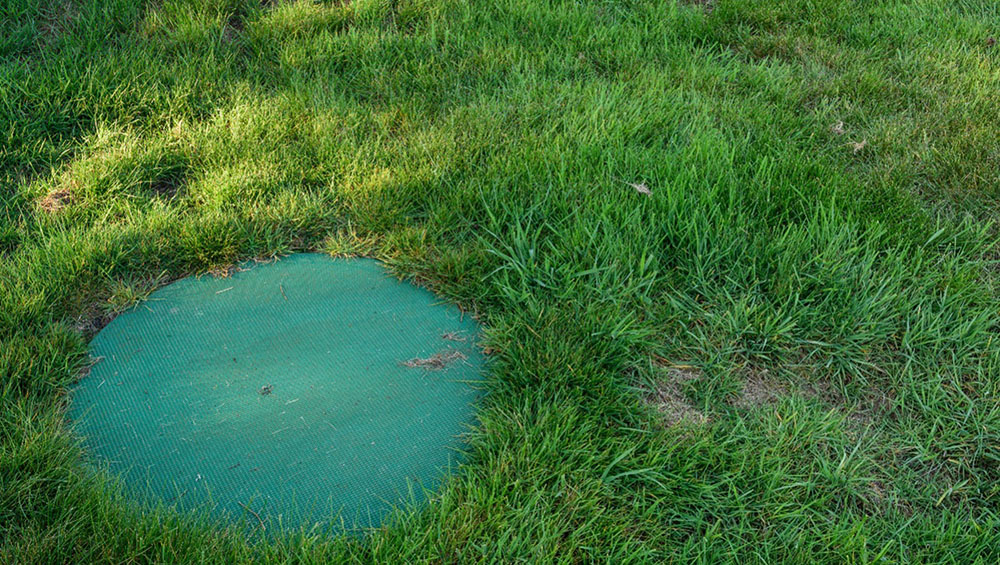
An old or deteriorating septic tank can create soft spots, holes, depressions, or even sudden cave-ins in the yard. What looks like a small sinkhole can actually be a warning sign that the tank structure underneath is failing.
This is especially common with an old septic tank or older septic system that has been underground for decades.
Why Do Septic Tanks Collapse?
Septic tanks don’t last forever.
Over time, tanks can weaken because of:
- Aging concrete
- Cracked lids
- Root intrusion
- Soil movement
- Corrosion
- Poor previous repairs
- Heavy equipment or vehicles driving over the tank
Concrete tanks can slowly deteriorate from the inside out, leading to concrete septic tank failure. Steel tanks can rust. Lids can weaken. Roots can force their way through seams and cracks.
Eventually, the structure loses strength.
And once that happens, the ground above the tank may no longer be safe.
Septic Tank Warning Signs Homeowners Should Watch For
A failing septic tank does not always collapse all at once. Many times, the warning signs start small.
Watch for:
- Unexplained holes in the yard
- Depressions or sinking soil
- Soft spots near the tank area
- Cracked or shifted septic lids
- Sewage odors
- Wet or unusually green areas
- Slow drains or backups
If you notice a hole or depression near your septic tank, do not ignore it. These can be early septic tank warning signs of a possible septic tank cave-in.
And most importantly — do not walk over it, mow over it, or let children or pets near it.
Why a Collapsing Septic Tank Is a Serious Safety Risk
A failing septic tank is not just a plumbing problem.
It can become a serious fall hazard.
If the lid or tank top gives way, a person, pet, or piece of equipment could fall into the tank. That is an extremely dangerous situation.
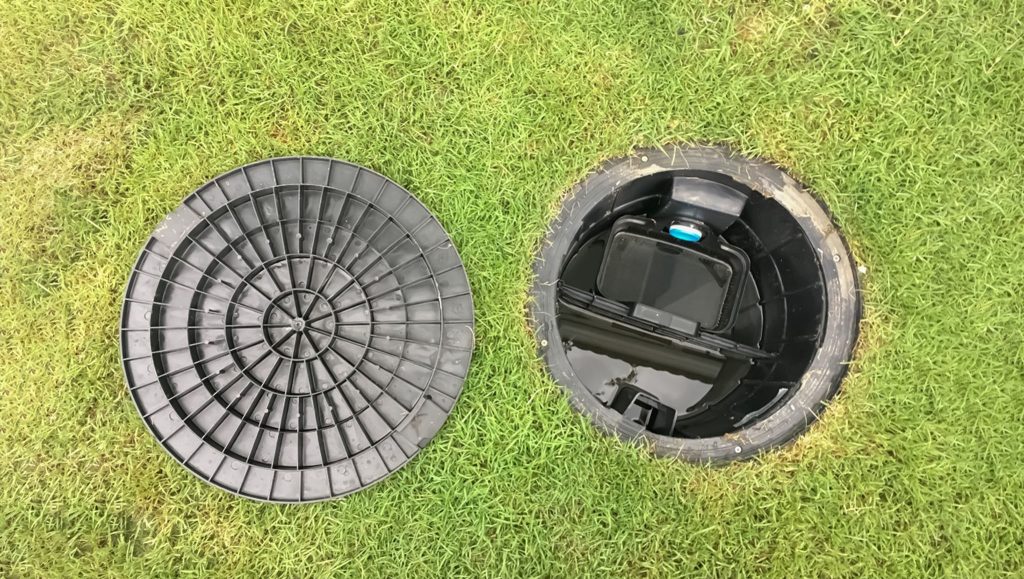
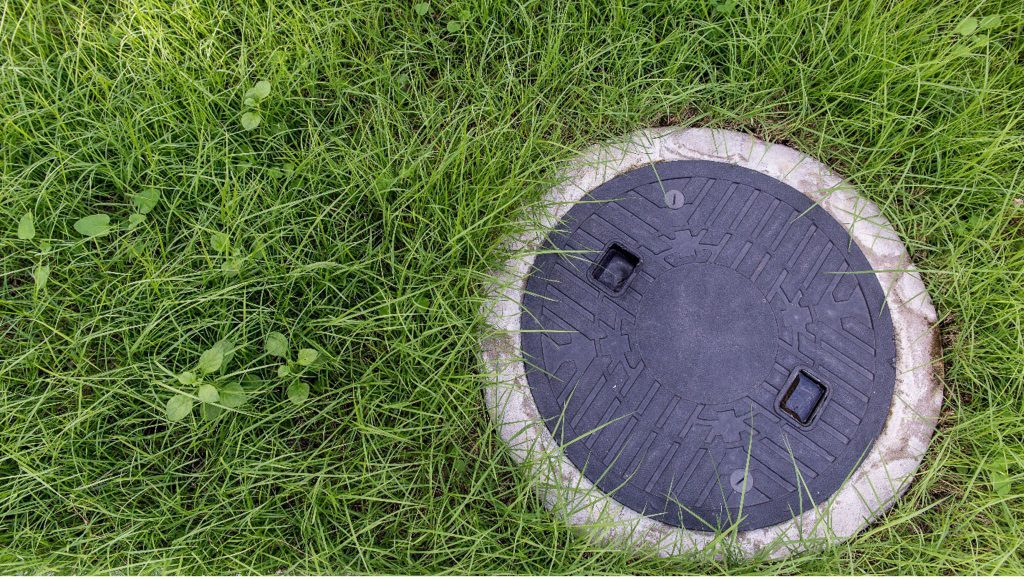
This is why septic tank safety matters, and why proper septic tank lids, risers, safety pans, and routine inspections are so important.
A tank that is hidden underground and never checked can deteriorate for years before anyone realizes there is a problem.
Can a Collapsed Septic Tank Be Repaired, or Does It Need Replacement?
Sometimes small access issues or lid problems can be corrected.
But if the tank itself is structurally failing, septic tank replacement is usually the safest option.
Once concrete begins breaking down or the tank walls start shifting, patching the problem may only delay the inevitable.
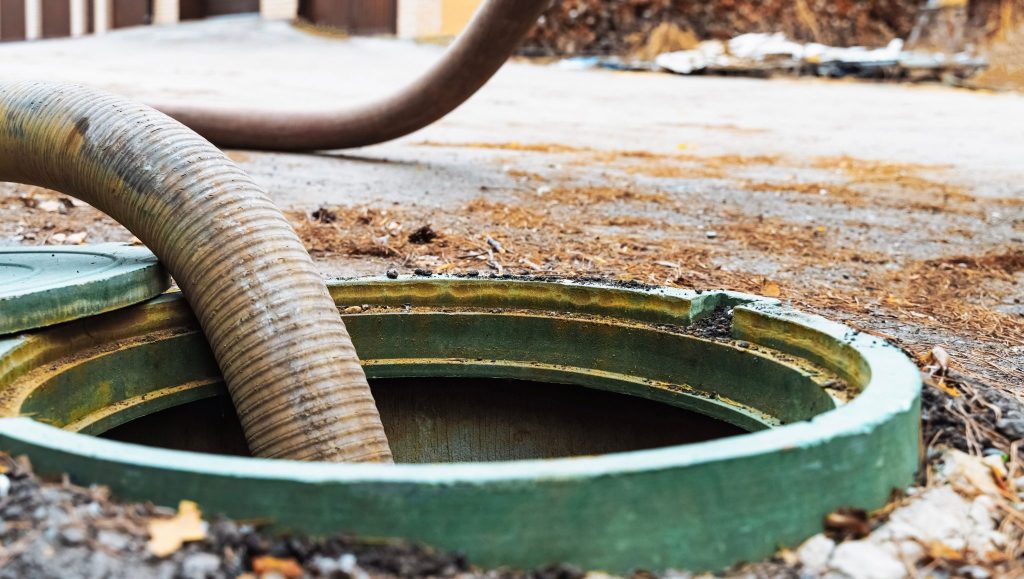
A licensed septic professional can perform a septic system inspection and determine whether repair or replacement makes sense.
Replacing Collapsed Concrete and Fiberglass Septic Tanks
At Mod Septics, we’ve seen this problem firsthand.
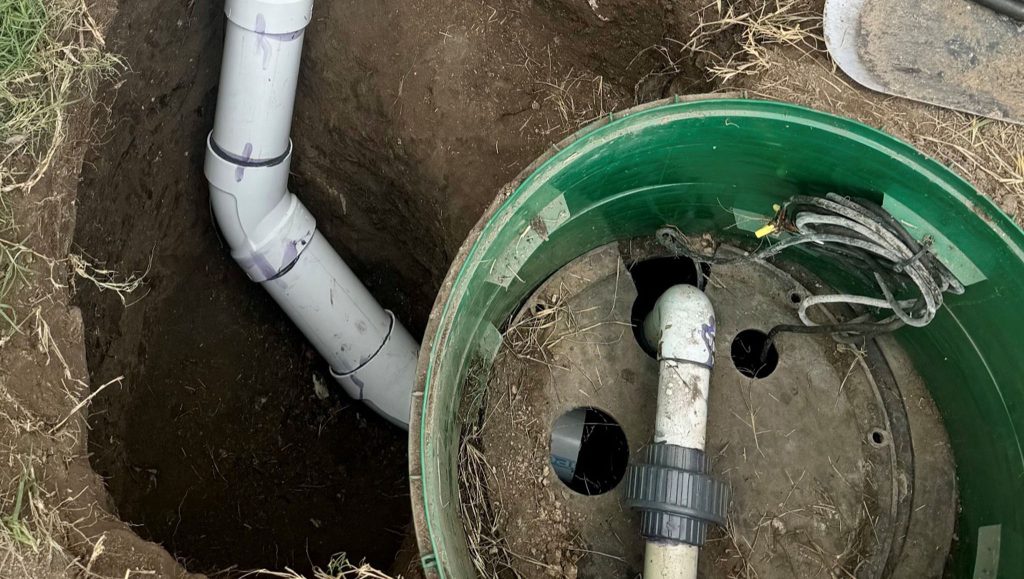
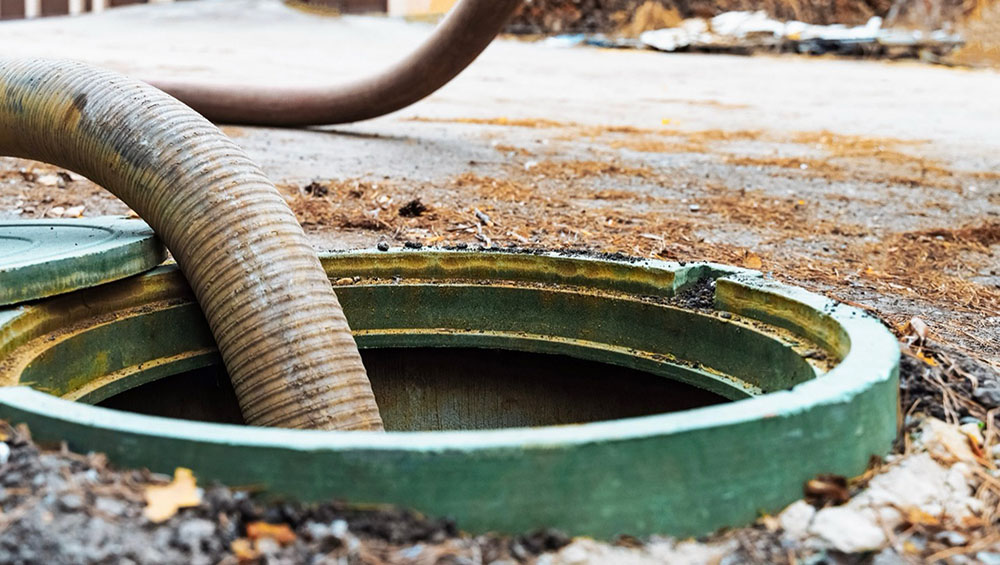
We have experience replacing both collapsed septic tanks and partially collapsed concrete septic tanks, as well as fiberglass septic tanks. Concrete tanks can deteriorate over time as lids weaken, roots infiltrate, and the structure breaks down. Fiberglass tanks can also fail if they shift, crack, or are damaged by soil movement or improper loading above the tank, leading to fiberglass septic tank failure.
A partially collapsed tank may not look serious from the surface, but underground, the structure may already be compromised.
That’s why these jobs require experience, caution, and the right equipment. Our goal is to identify the safest way to access the tank, protect the property, and install a safe, code-compliant replacement with as little disruption as possible.
What Should You Do If You Suspect a Tank Is Collapsing?
If you notice sinking soil, holes, odors, or unsafe lids near your septic system:
- Stay away from the area
- Keep children and pets away
- Do not drive or park over it
- Call a licensed septic professional
This is not the kind of issue to “wait and see” on.
My Final Thoughts
A collapsing septic tank is one of the more serious septic issues a homeowner can face.
The good news is that most of the time, there are warning signs before a major collapse happens.
If you have an older septic system, especially one that has been in the ground for 30 or 40 years, it is worth having it inspected. Catching structural problems early can protect your property, your family, and anyone working around the system.
At Mod Septics, we help homeowners identify unsafe tanks, replace failing septic systems, and make septic access safer with proper lids, risers, and safety components.
If you’re seeing signs of a failing septic tank, a septic tank cave-in, or a possible septic tank collapse, it’s worth getting it inspected before the situation becomes unsafe.
If something in your yard does not look right, trust your gut.
It is always better to ask questions early than deal with a dangerous situation later.
— Austin Williams
Founder, Mod Septics