Hi, I’m Austin Williams, founder of Mod Septics.
If you’ve recently installed an aerobic septic system in Central Texas — or you’ve purchased a home with one in Austin, Lakeway, Dripping Springs, or the surrounding Hill Country — you probably have questions.
I hear it all the time:
“Is this different than a regular septic system?”
The answer is yes — but that’s not a bad thing.
Aerobic septic systems are advanced wastewater treatment systems commonly used throughout Travis County, Hays County, Burnet County, and Williamson County, especially in areas where soil conditions require enhanced treatment.
They’re excellent systems — but they require a little more homeowner awareness.
Here are the most important do’s and don’ts I share with every new aerobic septic owner in Central Texas.
DO: Understand That Your Aerobic System Is Mechanical
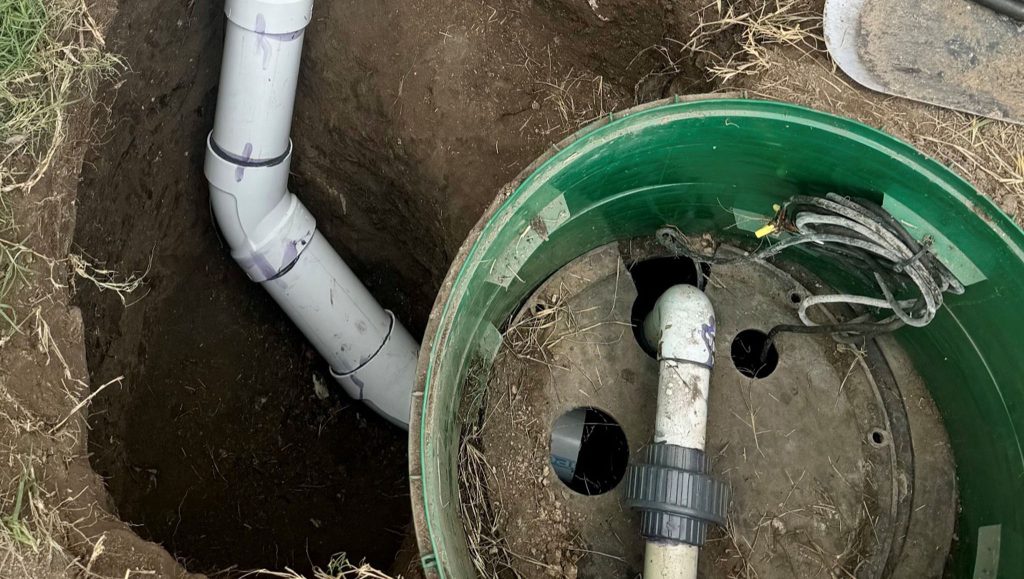
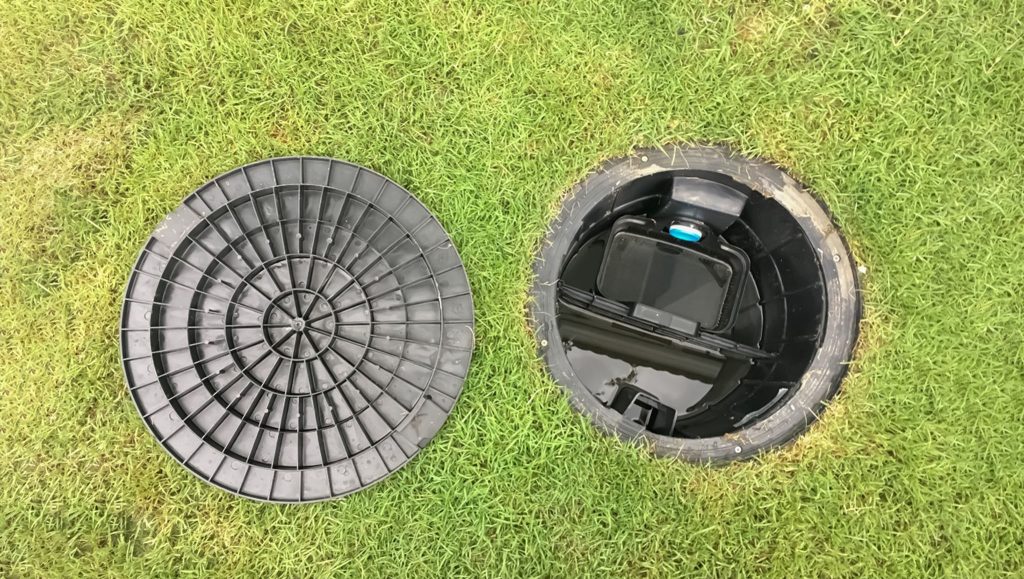
Unlike conventional gravity systems, aerobic septic systems have moving parts.
They include:
- An aerator (air pump)
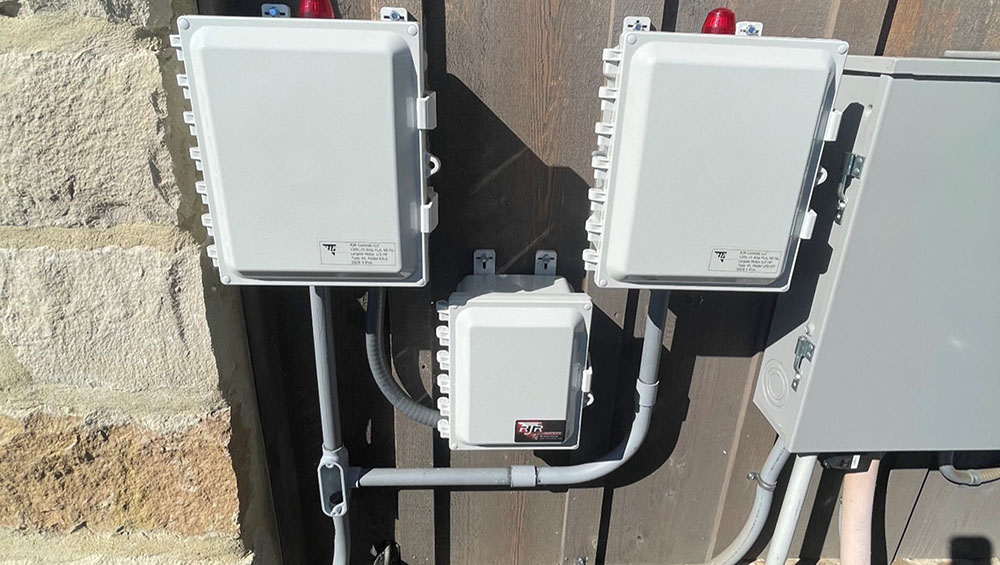
- A control panel
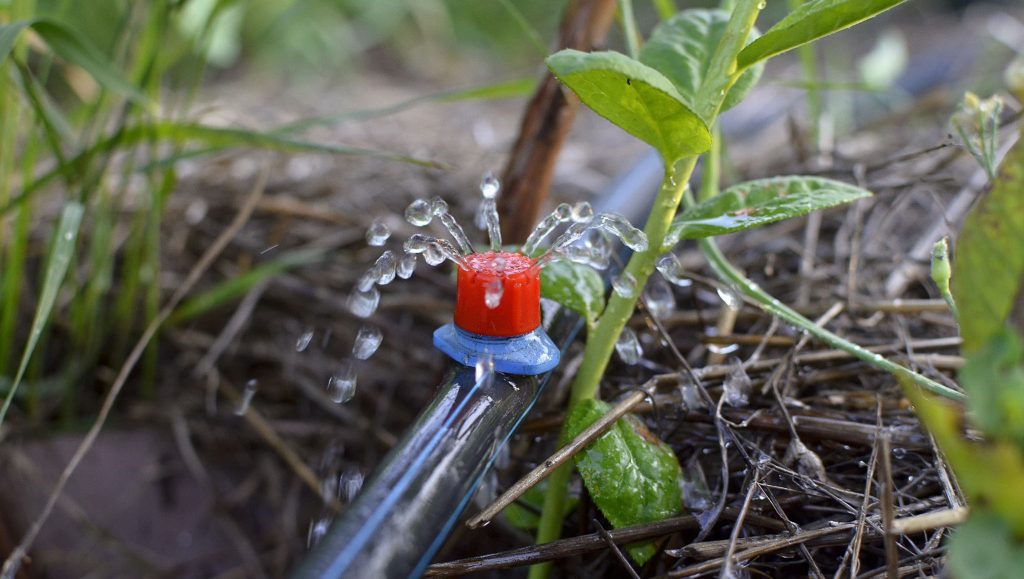
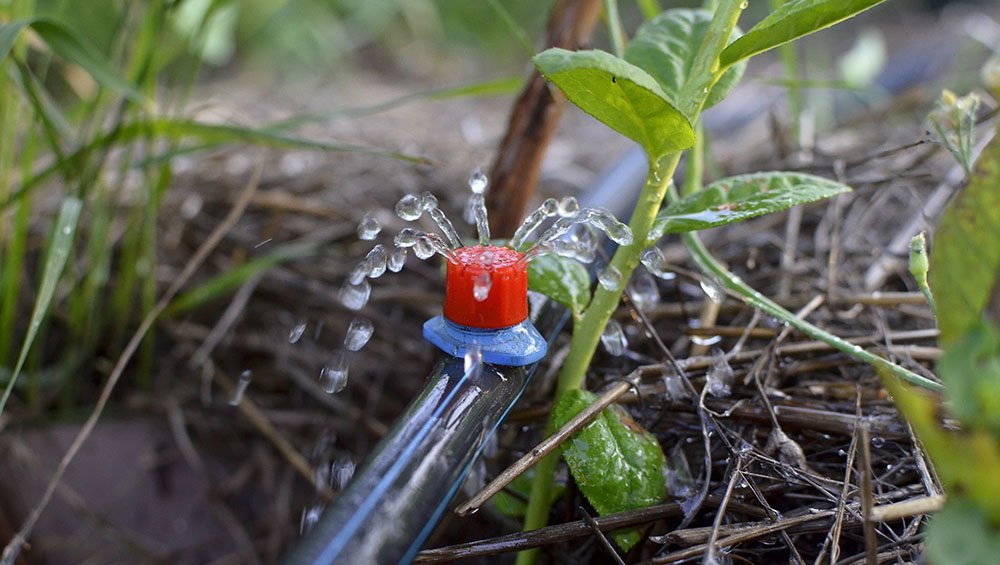
- Spray field or drip dispersal components
- Pumps and float switches
- Alarm systems
Because many Hill Country septic systems rely on aerobic treatment due to shallow soils and rock, proper maintenance is critical for long-term performance
DO: Maintain a Service Contract
In Texas, aerobic septic systems require a maintenance contract with a licensed provider unless the homeowner qualifies to maintain the system under specific guidelines.
Routine aerobic septic maintenance in Austin and surrounding areas typically includes:
- Checking aerator performance
- Testing chlorine residual levels
- Inspecting pumps and floats
- Confirming spray or drip operation
- Filing required reports with local authorities
Skipping maintenance is one of the fastest ways to shorten the life of your aerobic septic system.
DO: Use the Right Disinfectant
If your aerobic system uses spray application — common throughout Central Texas — it requires septic-approved chlorine tablets.
Only use tablets labeled for wastewater disinfection — never swimming pool chlorine.
Using the wrong product can damage your aerobic septic system and create unsafe discharge conditions.
DO: Spread Out Water Usage
Even though aerobic septic systems are designed for enhanced wastewater treatment, overloading them can still cause high-water alarms.
Avoid:
- Running multiple loads of laundry back-to-back
- Long showers followed by dishwasher cycles
- Large water usage events in a short period
This is especially important for homes on smaller lots in Austin, Lakeway, and Dripping Springs, where aerobic systems are commonly installed.
Spreading out water use helps your system treat wastewater efficiently and prevents unnecessary service calls.
DON’T: Ignore Alarm Lights
If your aerobic septic alarm activates, don’t ignore it.
In most cases:
- Reduce water usage immediately
- Contact a licensed septic service provider
- Address the issue before it escalates
Many aerobic septic service calls in Central Texas start with a simple alarm that was ignored too long.
DON’T: Flush Non-Biodegradable Items
Even advanced aerobic systems are not garbage disposals.
Never flush:
- Wipes (even “flushable” wipes)
- Feminine hygiene products
- Paper towels
- Grease or fats
- Excessive food waste
- Harsh chemicals
These materials can damage pumps and clog components, leading to costly septic repairs.
DON’T: Turn Off the Aerator
Your aerobic system depends on the aerator to introduce oxygen into the treatment tank.
Without oxygen, the system cannot properly treat wastewater — which defeats the purpose of installing an aerobic septic system in the first place.
Never unplug the aerator to try to reduce electricity usage. Continuous operation is essential.
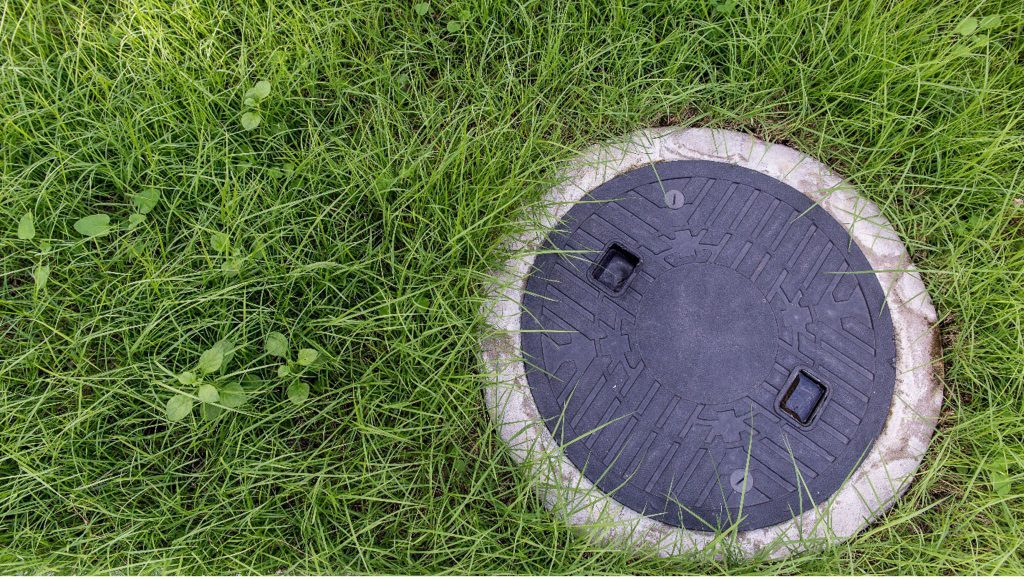
DON’T: Drive or Park Over the System
Avoid driving over:
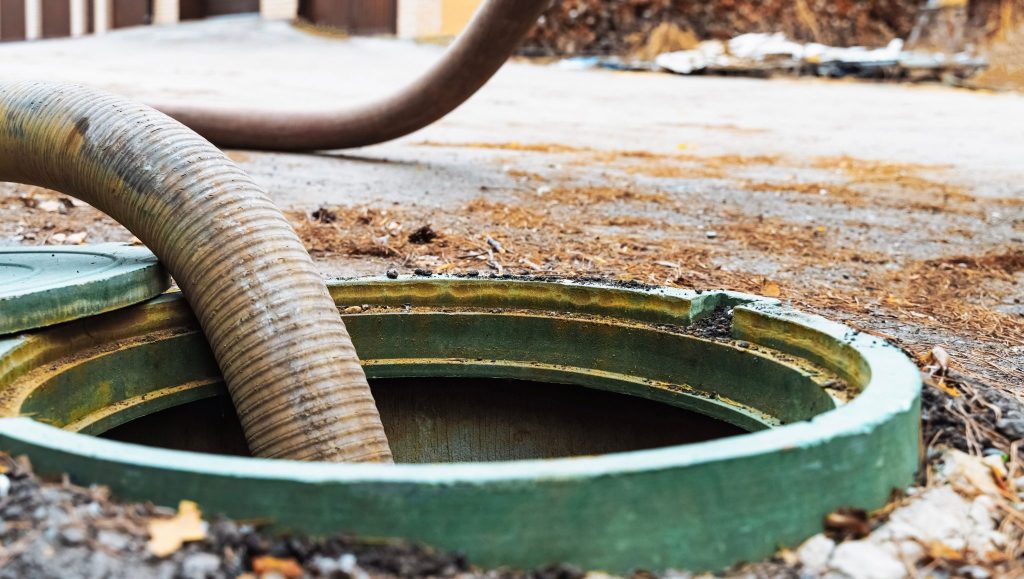
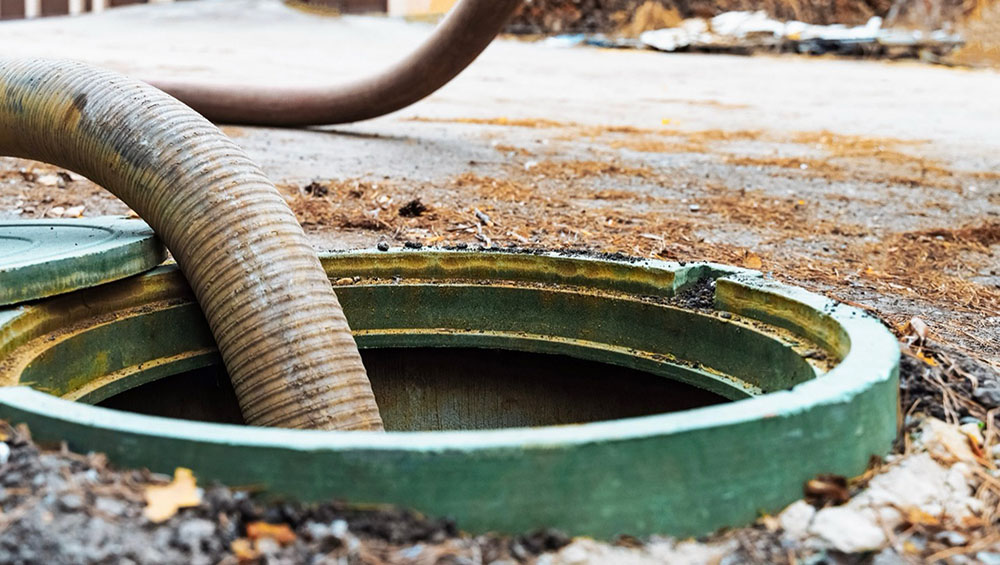
- Septic tanks
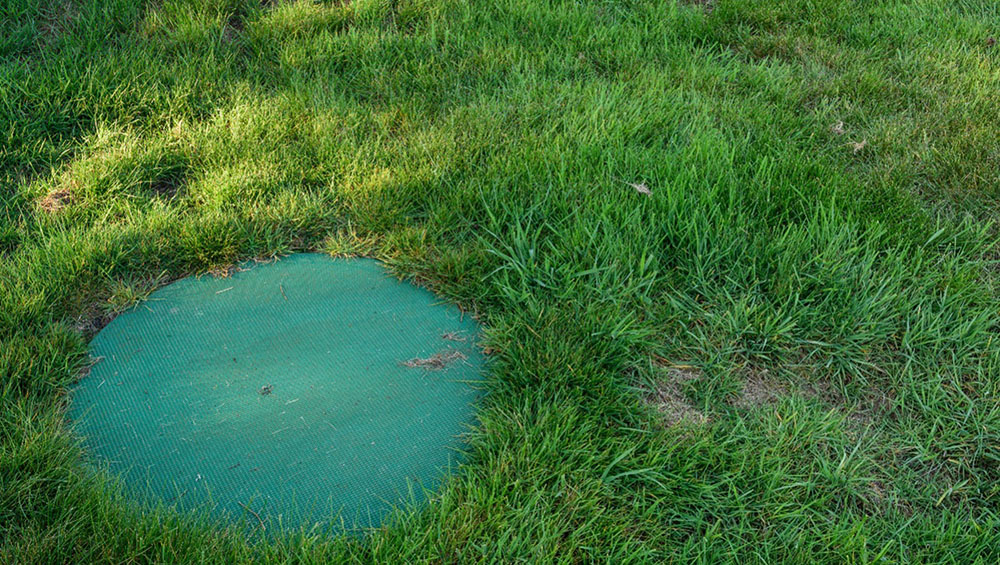
- Spray fields
- Drip dispersal fields
- Distribution lines
Soil compaction and damage are common causes of septic failure throughout the Hill Country.
My Final Thoughts for New Aerobic Septic Owners
Aerobic septic systems are some of the best wastewater treatment solutions available — especially here in Central Texas, where soil and rock conditions often require enhanced treatment.
I’ve seen properly maintained aerobic systems in Travis, Williamson, Hays, and Burnet Counties operate successfully for 20–25 years.
But here’s what I always tell homeowners:
An aerobic septic system is advanced — not maintenance-free.
If you stay consistent with service, use the correct products, respect the mechanical components, and respond to alarms quickly, your system will serve you well for decades.
Take care of it, and it will take care of you.
— Austin Williams, Founder, Mod Septics