
Understanding Septic System Requirements for Lakefront Homes in Central Texas
Home » Understanding Septic System Requirements for Lakefront Homes in Central Texas
Owning a lakefront home in Central Texas offers incredible views, easy access to boating and fishing, and the opportunity to enjoy the natural beauty of the Texas Hill Country. However, building or maintaining a septic system near a lake comes with unique challenges and stricter regulations than many inland properties.
Because lakes, rivers, and waterways are sensitive environmental resources, state and local authorities enforce additional septic system requirements designed to protect water quality and public health. Understanding these requirements before purchasing, building, or renovating a lakefront property can help you avoid costly delays, permitting issues, and compliance problems.
Quick Highlights
- Most lakefront homes in Central Texas require an engineered aerobic septic system rather than a conventional septic system.
- A licensed Site Evaluator or Professional Engineer must perform a site assessment before a septic permit can be issued.
- Lakefront properties often face challenges such as shallow limestone, rocky terrain, and heavy clay soils.
- Many systems utilize spray irrigation or drip irrigation for wastewater dispersal.
- Aerobic septic systems in Texas require an ongoing maintenance contract and regular inspections.
- Additional regulations may apply depending on the lake, municipality, county, or river authority overseeing the property.
- Watershed protection ordinances may require enhanced treatment standards and larger lot sizes.
Why Lakefront Properties Face Additional Septic Requirements
Central Texas is known for its rocky terrain, shallow soils, and limestone bedrock. While these characteristics create beautiful lakefront landscapes, they can make wastewater treatment more difficult.
In areas surrounding popular lakes such as Lake LBJ, Lake Travis, Lake Buchanan, Inks Lake, and Lake Austin, improperly treated wastewater can quickly reach nearby waterways through runoff, fractures in limestone, or groundwater movement.
To protect drinking water supplies, recreational waters, aquatic ecosystems, and neighboring properties, the Texas Commission on Environmental Quality (TCEQ) and local permitting authorities enforce stricter on-site sewage facility (OSSF) requirements for waterfront properties.
Why Conventional Septic Systems Often Don’t Work Near Lakes
Many traditional septic systems rely on wastewater slowly filtering through deep, permeable soils before reaching groundwater.
Unfortunately, many Central Texas lakefront lots have:
- Shallow soils
- Limestone bedrock close to the surface
- Heavy clay soils
- Steep slopes
- Rapid stormwater runoff
These conditions often prevent conventional gravity-fed septic systems from adequately treating wastewater before it reaches nearby water sources.
As a result, many lakefront homes require alternative septic system designs.
Aerobic Treatment Units (ATUs): The Most Common Solution
For many waterfront properties, an Aerobic Treatment Unit (ATU) is the preferred—and often required—solution.
Unlike conventional septic systems, aerobic systems introduce oxygen into the treatment process, allowing beneficial bacteria to break down waste more efficiently.
This produces significantly cleaner effluent before it is dispersed onto the property.
Benefits of Aerobic Systems for Lakefront Properties
- Higher level of wastewater treatment
- Better performance in shallow or rocky soils
- Reduced environmental impact
- Suitable for challenging terrain
- Often approved where conventional systems are not
Because of their advanced treatment capabilities, aerobic systems are commonly specified for homes near lakes, rivers, and environmentally sensitive areas throughout Central Texas.
Spray Irrigation vs. Drip Irrigation
After wastewater is treated by an aerobic system, it must still be safely dispersed.
The two most common disposal methods for lakefront homes are:
Spray Irrigation Systems
Spray irrigation systems distribute treated wastewater across a designated area using sprinkler heads.
Advantages include:
- Effective distribution over larger lots
- Lower installation costs compared to some alternatives
- Proven performance throughout Central Texas
However, spray fields must meet strict setback requirements and cannot spray beyond approved disposal areas.
Drip Irrigation Systems
Drip irrigation systems distribute treated wastewater underground through a network of tubing.
Advantages include:
- Minimal visual impact
- Reduced risk of runoff
- Better performance on steep slopes
- Ideal for highly regulated waterfront properties
Many lakefront developments prefer drip irrigation systems because they provide additional environmental protection while maintaining aesthetics.
Other Common Setback Requirements
In addition to water setbacks, septic systems generally must maintain minimum distances from:
- Property lines
- Homes and building foundations
- Water wells
- Utility easements
- Swimming pools
A typical requirement is maintaining at least 10 feet of clearance from property lines and structures, although local regulations may vary.
Site Evaluations Are Required Before Permitting
Before any septic system can be designed or permitted, a professional site evaluation must be completed.
This evaluation is typically performed by a licensed Site Evaluator or Professional Engineer and helps determine:
- Soil type and depth
- Presence of limestone or bedrock
- Groundwater conditions
- Slope and topography
- Suitable treatment and disposal methods
The findings are used to create an engineered septic design that complies with all local and state regulations.
Without a site evaluation, a permit generally cannot be issued.
Permitting Requirements for Lakefront Septic Systems
Lakefront septic permits often involve multiple layers of oversight.
Depending on the property location, approvals may be required from:
- County environmental health departments
- Municipal permitting agencies
- River authorities
- Utility districts
- Watershed protection programs
For example, some properties near Lake Travis and the Highland Lakes may fall under additional review by organizations such as the Lower Colorado River Authority (LCRA) or other local governing bodies.
Because permitting requirements vary, it’s important to work with a septic professional familiar with local regulations.
Ongoing Maintenance Requirements
Texas law requires aerobic systems to remain under an active maintenance contract throughout the life of the system.
This means:
- Regular inspections by a certified technician
- Monitoring treatment performance
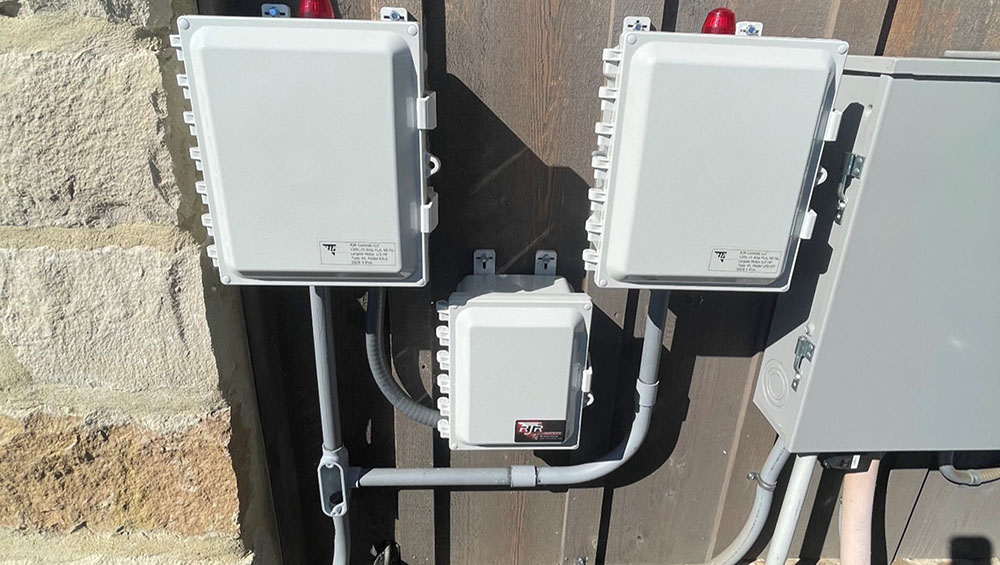
- Maintaining pumps, alarms, and aerators
- Filing required reports with permitting authorities
Most aerobic systems are inspected approximately every four months, helping ensure continued compliance and proper operation.
Additional Watershed Protection Rules
Many Central Texas lakes are located within protected watersheds that have additional environmental regulations.
These rules may include:
- Enhanced wastewater treatment standards
- Nutrient reduction requirements
- Larger minimum lot sizes
- Stricter development standards
- Additional permitting reviews
Properties located near Lake Travis, Lake Austin, Lake LBJ, and other major waterways may be subject to these enhanced requirements.
Does the 10-Acre Exemption Apply?
Some Texas property owners are familiar with the state’s 10-acre septic exemption.
However, this exemption rarely applies to lakefront properties.
Even on larger tracts, wastewater must still be managed in a manner that does not:
- Pollute groundwater
- Impact nearby waterways
- Create public health concerns
- Cause nuisance conditions
As a result, most waterfront properties remain subject to permitting and design requirements regardless of acreage.
The Takeaway: Careful Planning, Professional Design, and Strict Compliance
Building or maintaining a septic system on a lakefront property in Central Texas requires careful planning, professional design, and strict compliance with local regulations. Between challenging soils, watershed protections, setback requirements, and ongoing maintenance obligations, lakefront septic systems are rarely a one-size-fits-all solution.
Working with an experienced septic professional can help ensure your system is properly designed, permitted, and maintained while protecting both your investment and the natural beauty of Central Texas waterways.
Need Help with a Lakefront Septic System?
Whether you’re building a new lake house, replacing an aging septic system, or navigating permitting requirements, Modern Septic & Grey Water Systems can help. Our team understands the unique challenges of Central Texas lakefront properties and can guide you through every step of the septic design, permitting, installation, and maintenance process. Contact us today to discuss your project and schedule a site evaluation.

Austin started his first landscaping and excavation company at 20 years old. He spent the next 12 years perfecting the art of dirt work at both a commercial and high-end residential level. Licensed since 2019, he incorporates many of his lessons and techniques from the excavation world into all our septic systems such as the often-overlooked aesthetic value, proper drainage and spatial usage. He is always in search of ways to improve our final product and the customer experience.
Your Septic System Partner For The Future
septic system services
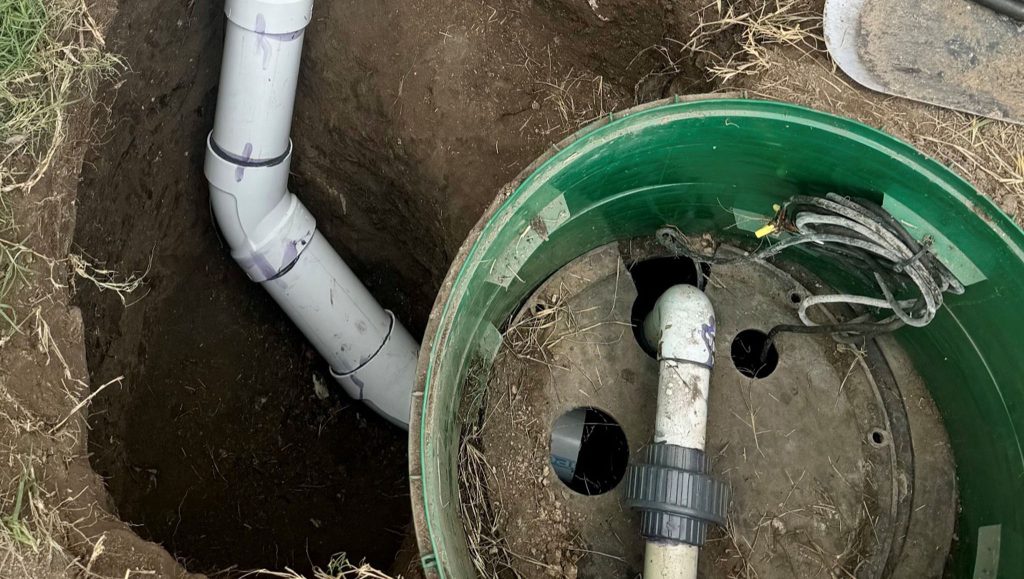
Septic System Installation
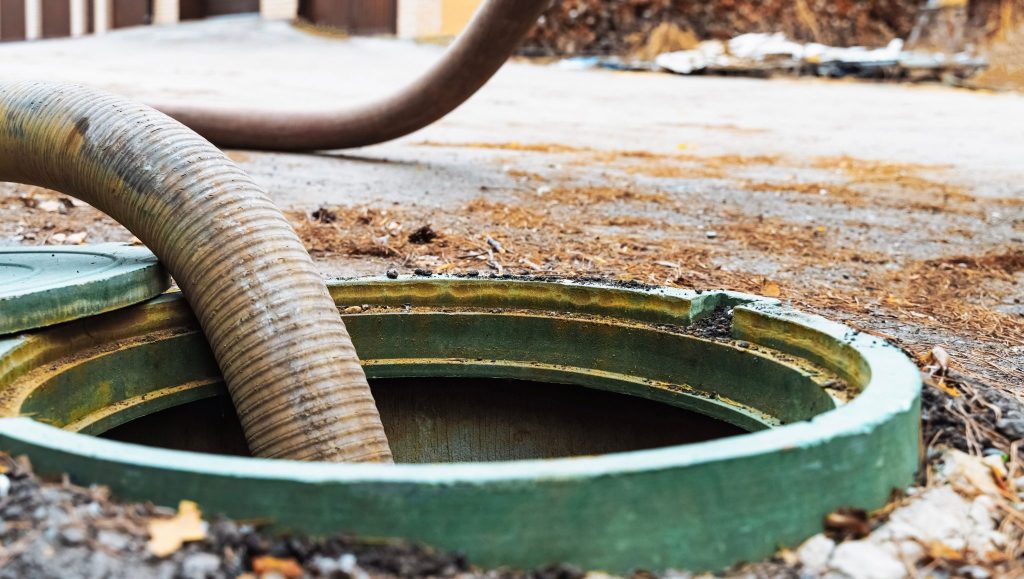
Septic System Maintenance Contracts

Greywater Irrigation
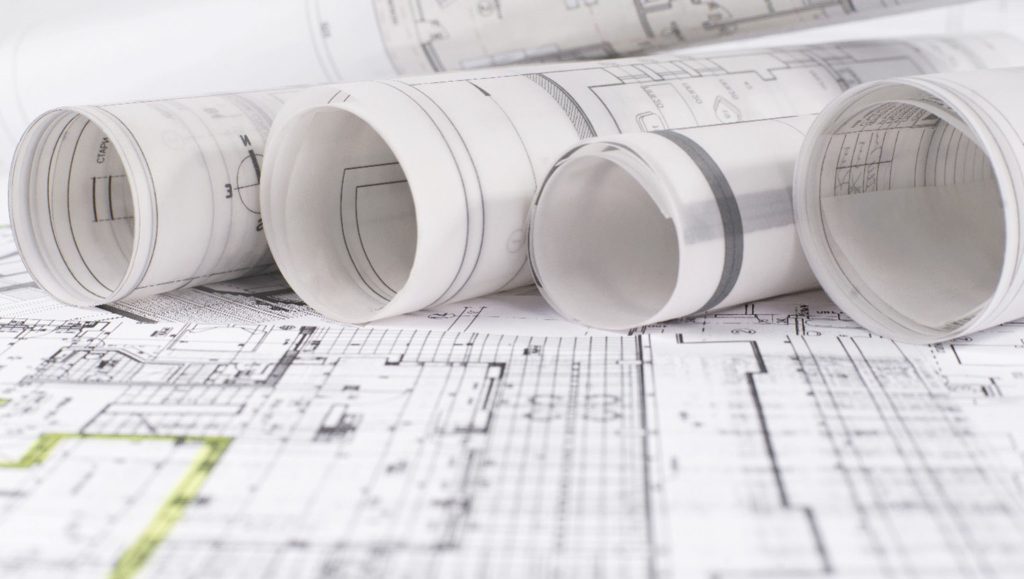
Septic System Design
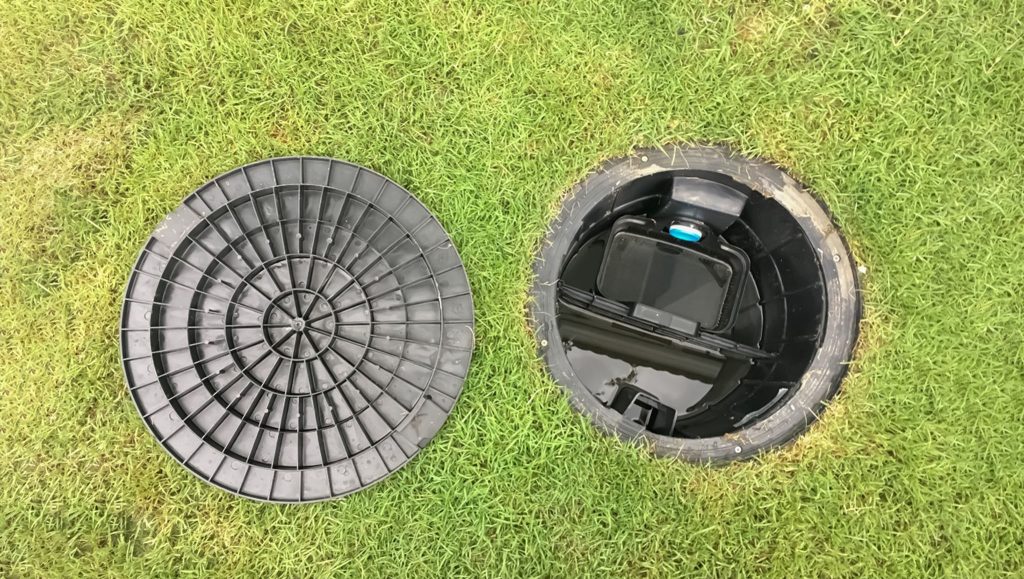
Emergency Septic Service
Septic System Inspections

Aerobic Septic System Installation

Septic System Excavation
Aerobic Septic System Maintenance

Septic System Planning

Grey Water Systems
Aerobic Septic system Repair
Septic System Maintenance
Aerobic Septic Service

Septic System Repairs
Modern Septic & Grey Water Systems LLC:
Transforming septic systems through innovation, client-centric technology, and environmental responsibility.