
What Does a Septic Inspection Generally Consist Of?
Home » What Does a Septic Inspection Generally Consist Of?
If you’re a homeowner in Central Texas, a septic inspection is one of the most important (and often overlooked) steps in protecting your property, your investment, and your health. Whether you’re buying a home, maintaining your system, or troubleshooting an issue, understanding what a septic inspection involves can help you feel confident in the process.
Here’s what to expect from a typical septic inspection—and how it can vary depending on your system.
Why Septic Inspections Matter
Septic systems operate quietly underground, but when something goes wrong, the consequences can be expensive and disruptive. Routine inspections help identify small issues before they become major failures—saving homeowners thousands in repairs.
In Texas, inspections are commonly recommended every 3–5 years to ensure proper function and longevity.
What’s Included in a Standard Septic Inspection?
While the exact process can vary slightly by provider, most septic inspections include a comprehensive evaluation of the system’s key components and performance.
Tank Inspection
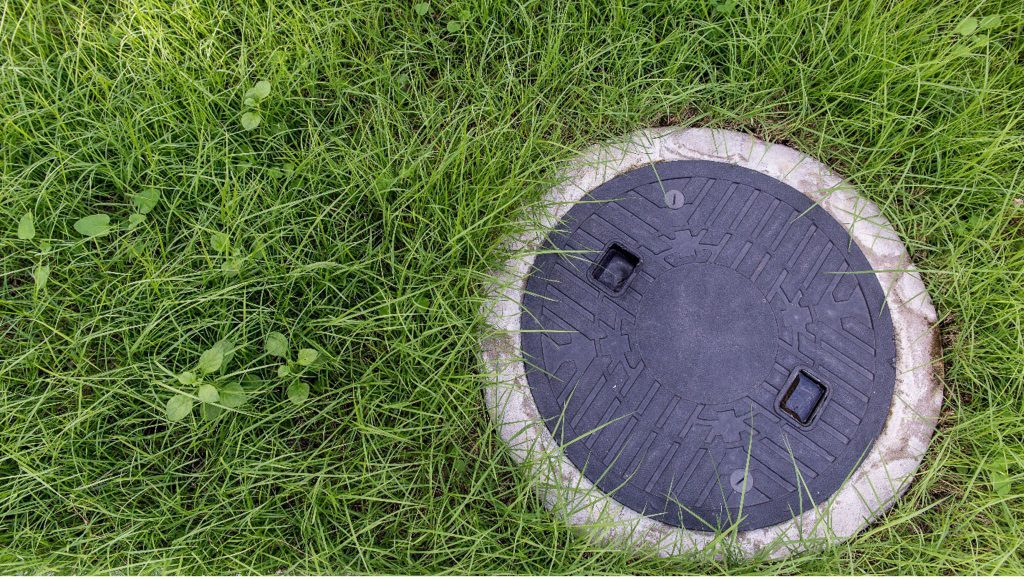
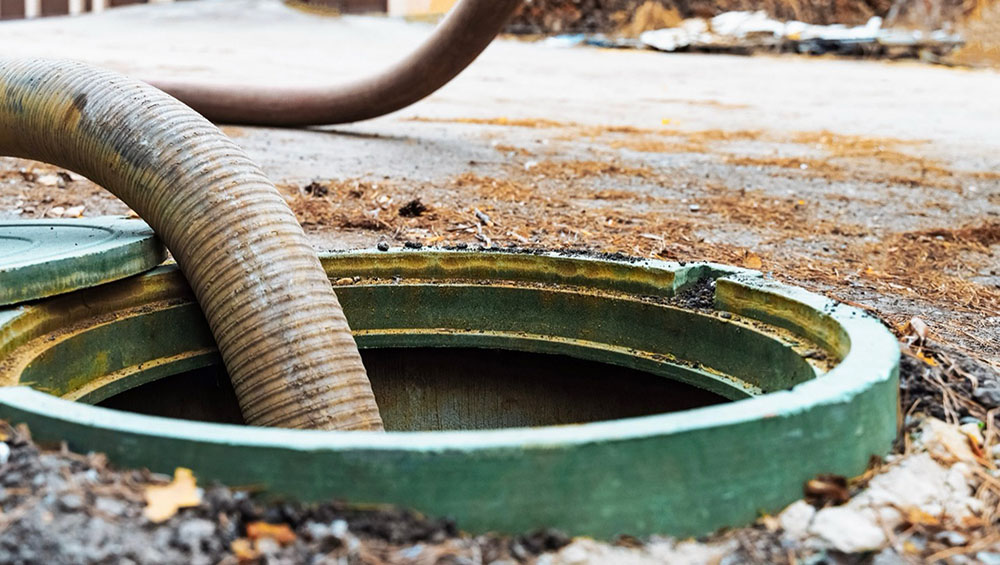
The inspector will locate and open the septic tank to evaluate:
- Sludge and scum levels (to determine if pumping is needed)
- Water level (to check for leaks or backflow issues)
- Tank structure (cracks, corrosion, or damage)
If sludge levels are too high (typically above one-third of the tank), it may indicate the system needs immediate maintenance.
Inlet & Outlet Pipe Check
Inspectors assess the pipes that move wastewater in and out of the tank:
- Look for blockages or clogs
- Ensure proper flow
- Check outlet filters and baffles
These components are critical to preventing solids from reaching the drain field.
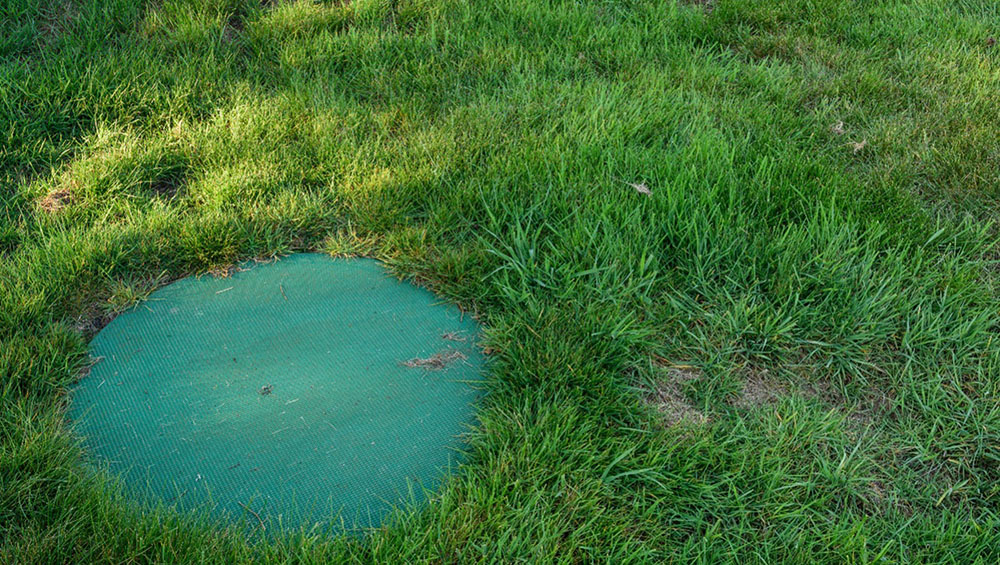
Drain Field (Leach Field) Evaluation
The drain field is where wastewater is filtered into the soil. Inspectors will:
- Look for standing water or soggy areas
- Check for unusually lush vegetation
- Identify odors or signs of failure
These are some of the most common indicators of septic issues in Texas.
Septic System Function Test
A functional test may include:
- Running water from sinks, tubs, and toilets
- Observing how quickly wastewater flows through the system
- Checking for backups or slow drainage
This helps confirm that the system is operating as intended.
Mechanical Components (If Applicable)
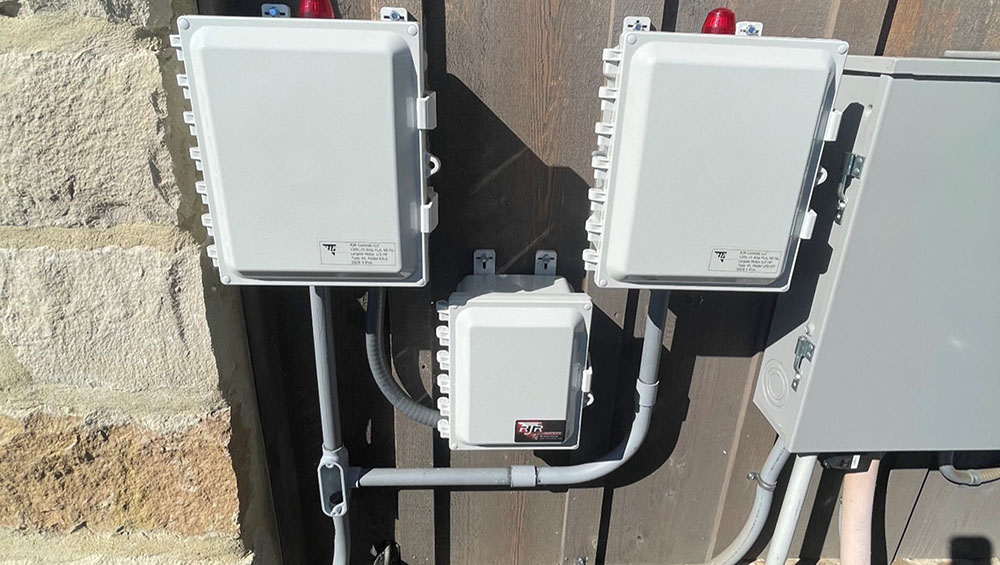
For systems with mechanical parts (like aerobic systems), inspectors may also check:
- Pumps and aerators
- Timers and control panels
- Alarm systems
Ensuring these components are working properly is essential for system performance.
How Inspections Differ: Anaerobic vs. Aerobic Systems
Anaerobic (Conventional) Systems
Inspections for conventional systems are typically more straightforward:
- Focus on tank condition and drain field performance
- Fewer mechanical components to evaluate
- Generally quicker inspections
These systems rely heavily on soil conditions, so the drain field inspection is especially important.
Aerobic Systems
Aerobic inspections are more detailed due to added components:
- Testing the aerator/air pump performance
- Checking disinfection levels (chlorine or UV)
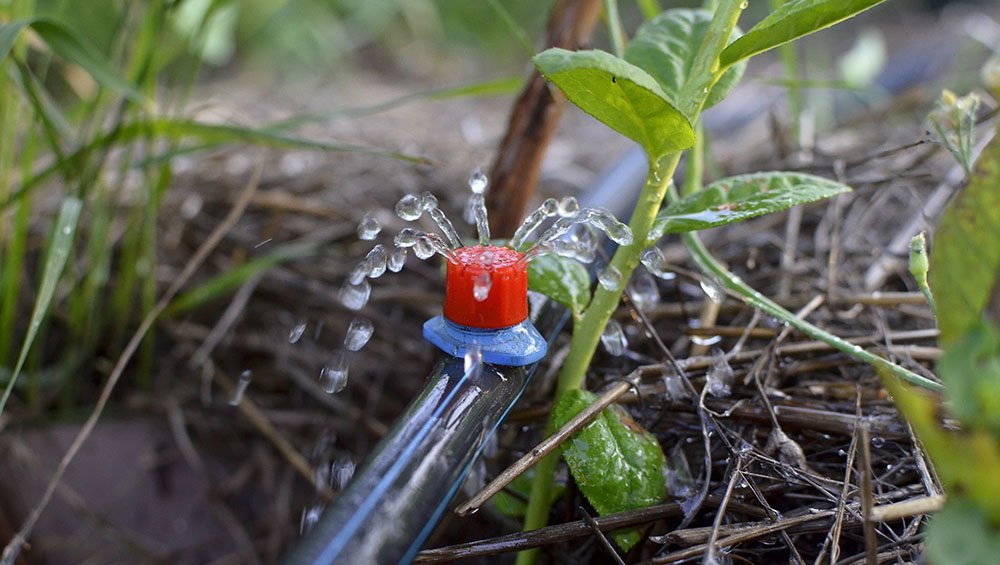
- Inspecting spray or drip irrigation systems
- Verifying alarm functionality
In Texas, aerobic systems often require regular professional maintenance and inspection, sometimes annually or quarterly depending on local regulations and your septic maintenance contract.
How Long Does a Septic Inspection Take?
A typical septic inspection in Texas takes about:
- 2–3 hours for a standard system
- Longer if pumping, repairs, or advanced testing is required
This timeframe can vary based on system size, accessibility, and complexity.
Common Issues Found During Inspections
Septic inspections are designed to uncover both current problems and potential risks. Some of the most common issues include:
- Excessive Sludge Buildup. Indicates the tank hasn’t been pumped regularly. Can lead to system overflow or failure.
- Drain Field Failure. Standing water or poor drainage. Often one of the most expensive repairs.
- Leaks or Structural Damage. Cracks in the tank. Damaged pipes or connections.
- Clogs or Blockages. Caused by improper materials entering the system. Can restrict flow and lead to backups.
- Mechanical Failures (Aerobic Systems). Broken pumps or aerators. Faulty alarms or electrical issues.
A failed inspection often means the system has one or more of these issues and requires repair before it can function safely.
What Happens After the Inspection?
After the inspection, you’ll typically receive:
- A detailed report on system condition
- Recommendations for maintenance or repairs
- Guidance on maintenance schedules or upgrades
If issues are found, addressing them early can prevent costly system replacement down the road.
Know What’s Below the Surface
For Central Texas homeowners—especially in areas like Marble Falls and the Hill Country—septic systems are a way of life. But because soil conditions can vary (rocky, clay-heavy, or shallow soils), inspections play a critical role in ensuring your system is working properly.
A septic inspection isn’t just a checkbox—it’s a proactive step toward:
- Protecting your property
- Avoiding costly repairs
- Ensuring environmental safety
Schedule Your Septic Inspection with Confidence
At Modern Septic & Grey Water Systems, we provide thorough, professional septic inspections tailored to the unique soil and system conditions of Central Texas.
Whether you have an aerobic or anaerobic system, our team will give you clear insights and honest recommendations—so you know exactly where your system stands.
Contact us today to schedule your septic inspection and keep your system running smoothly for years to come.

Austin started his first landscaping and excavation company at 20 years old. He spent the next 12 years perfecting the art of dirt work at both a commercial and high-end residential level. Licensed since 2019, he incorporates many of his lessons and techniques from the excavation world into all our septic systems such as the often-overlooked aesthetic value, proper drainage and spatial usage. He is always in search of ways to improve our final product and the customer experience.
Your Septic System Partner For The Future
septic system services
Septic System Installation
Septic System Maintenance Contracts
Greywater Irrigation
Septic System Design
Emergency Septic Service
Septic System Inspections

Aerobic Septic System Installation

Septic System Excavation
Aerobic Septic System Maintenance
Septic System Planning
Grey Water Systems
Aerobic Septic system Repair
Septic System Maintenance
Aerobic Septic Service
Septic System Repairs
Modern Septic & Grey Water Systems LLC:
Transforming septic systems through innovation, client-centric technology, and environmental responsibility.